How Long Does Invisalign Treatment Take? A Complete Timeline Guide

Woman wearing orthodontic silicone trainer. Invisible braces ali

You’ve spent years hiding your smile in photos, covering your mouth when you laugh, and wondering if straightening your teeth is worth the commitment. The answer depends largely on one question: how much time will it actually take? Most Invisalign treatments take 12 to 18 months, though your personal timeline may be shorter or longer depending on your specific needs.

At SmilePro Dental, our providers help patients throughout Dearborn achieve straighter smiles with Invisalign, offering free consultations to discuss your timeline and treatment expectations. As a Certified Invisalign Provider, we create personalized treatment plans so you know what to expect from day one.

What Determines Your Invisalign Treatment Length

Several factors affect how long you’ll wear aligners. The severity of your misalignment plays the most significant role. Minor crowding or spacing issues may resolve in six months, while complex bite problems can take two years or more. The American Association of Orthodontics notes that most patients should wear their clear aligners for 20 to 22 hours per day, which directly impacts treatment speed.

Your age and bone density also matter. Adults typically need slightly longer treatment than teens because their jawbones are fully developed and less responsive to movement. Consistency with wearing your aligners determines whether you stay on schedule or extend your treatment by several months.

The Invisalign Treatment Timeline Broken Down

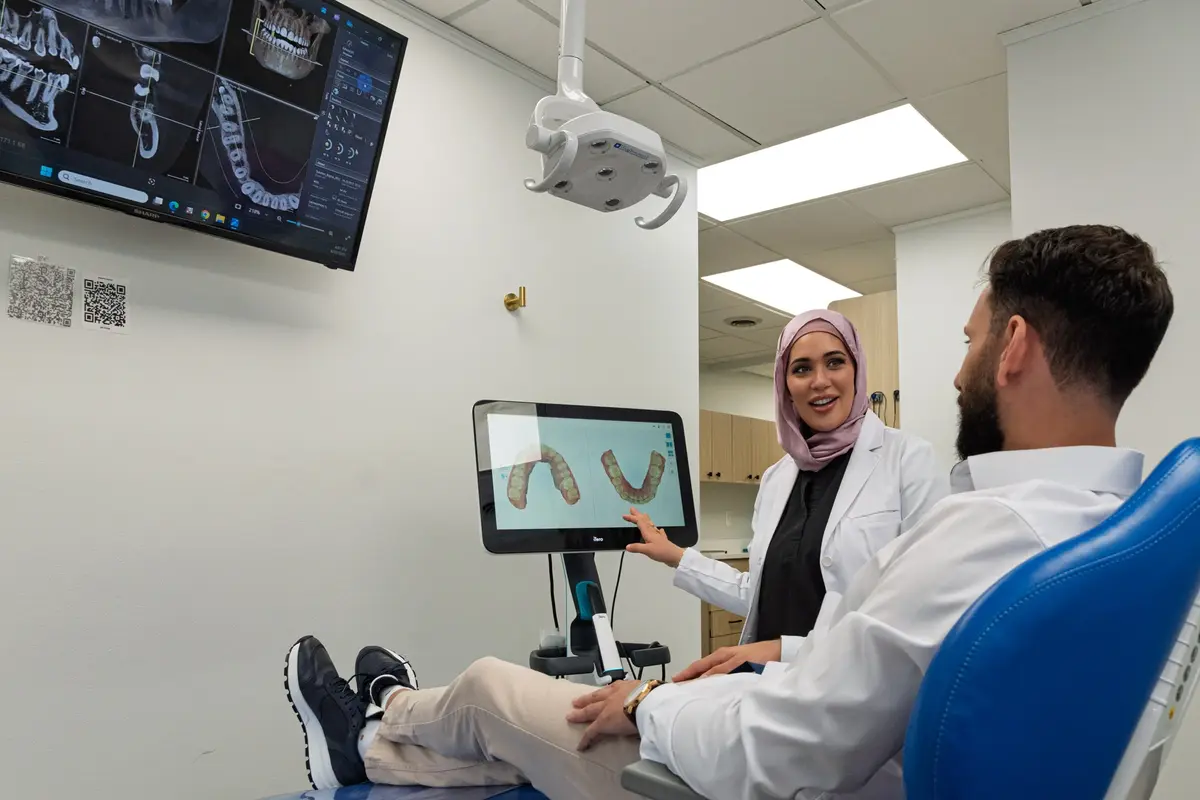
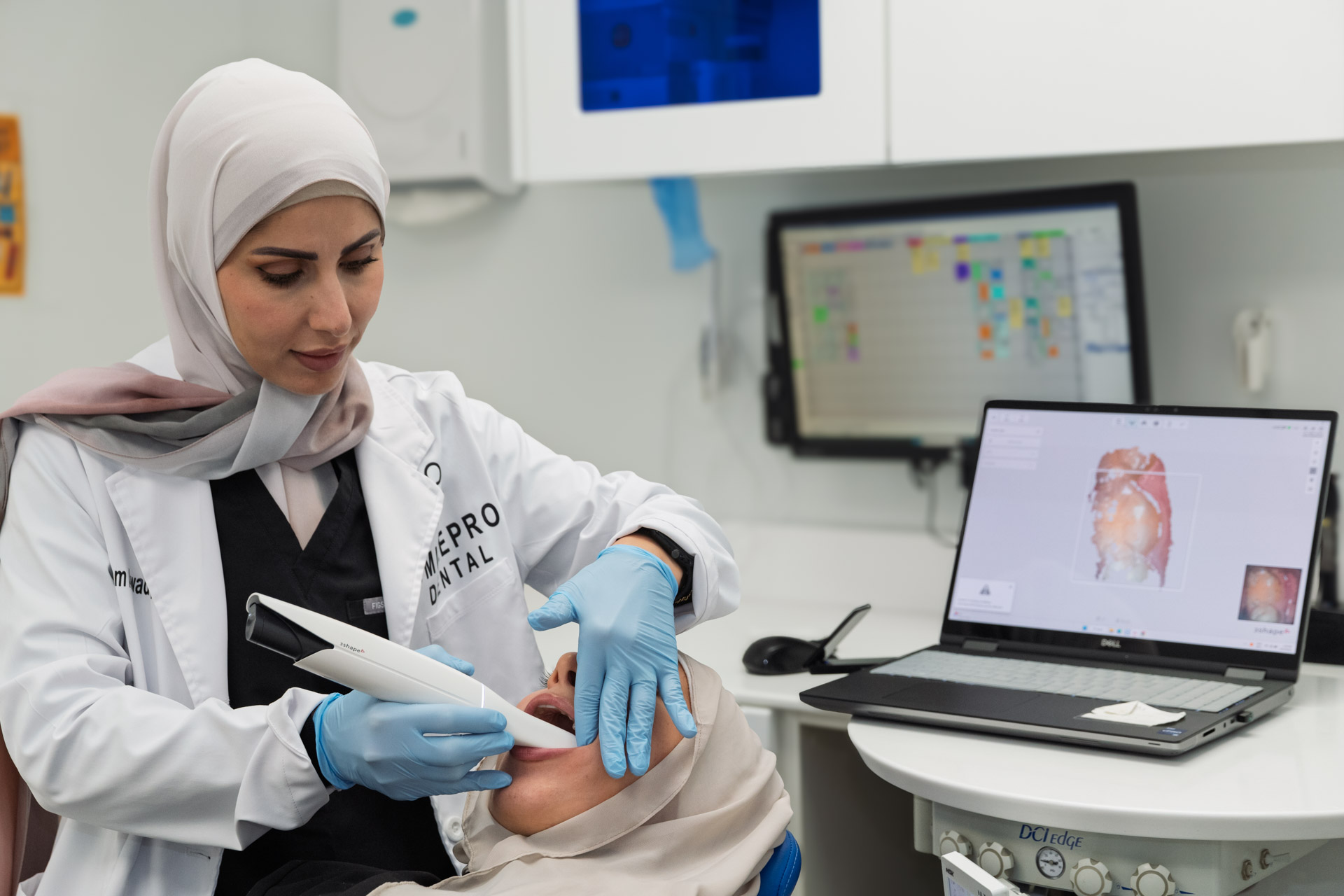
Your first appointment includes digital scans and impressions to create your custom treatment plan. Within a few weeks, you’ll receive your first set of aligners and instructions on proper care. You’ll switch to new aligners every one to two weeks as your teeth gradually shift into position.

Progress check appointments are held every eight weeks at our Dearborn office. These visits let our doctors monitor your movement and make adjustments if needed. Some patients need attachments, which are small tooth-colored buttons bonded to specific teeth to help aligners grip better and move teeth more effectively.

The final phase includes refinements if your teeth haven’t reached their ideal positions. You might need a few additional aligners to perfect your smile. After treatment, you’ll receive retainers to maintain your results. Most patients wear retainers full-time for several months, then transition to nighttime wear.

How to Speed Up Your Invisalign Timeline

Wearing your aligners for the recommended 22 hours daily is critical. Taking them out too often slows tooth movement and extends your treatment. Remove them only for meals and brushing, then put them back in right away.

Good oral hygiene prevents complications such as cavities and gum inflammation, which can delay treatment. Brush and floss thoroughly before reinserting aligners. Keep your aligners clean by rinsing them with lukewarm water and using a soft toothbrush to prevent bacteria buildup.

Following your provider’s instructions about attachment care and aligner switching schedules keeps you on track. Missing appointments delays progress checks and potential refinements. If an aligner cracks or doesn’t fit properly, contact our office immediately rather than waiting until your next scheduled visit.

Common Timeline Adjustments and What They Mean

Some patients progress faster than expected and finish treatment early. Your teeth might respond better to the aligners than predicted, allowing you to move to the next set sooner. Others need extended time because their teeth are stubborn or they didn’t wear aligners consistently.

Mid-treatment refinements are normal and don’t indicate failure. Your provider may order additional aligners to fine-tune specific teeth or correct a bite issue that emerged during treatment. These adjustments typically add a few months but ensure better final results.

Temporary pauses happen for various reasons. You might need additional dental work, like fillings or crowns, before continuing. Taking extended breaks from wearing aligners causes teeth to shift back, requiring more time to regain progress. Always communicate with your provider if you need to pause treatment so we can plan accordingly.

What Happens After Your Treatment Ends

Retention is just as critical as the active treatment phase. Your teeth will want to drift back to their original positions without proper retainer use. Most patients wear retainers full-time for three to six months after finishing their last aligner, then switch to wearing them only at night.

Some people need permanent retainers, which are thin wires bonded behind the front teeth. These work well for patients with severe crowding or those concerned about compliance. Your provider will recommend the best retention plan based on your specific case and lifestyle.

Long-term maintenance includes regular dental check-ups to monitor your bite and tooth positions. Preventive care appointments catch any shifting early before it becomes significant. Most patients maintain their results for life with consistent retainer wear and good oral health habits.

Start Your Invisalign Timeline at SmilePro Dental

At SmilePro Dental, our providers have extensive orthodontic training and are active members of the American Academy of Clear Aligners. We offer free Invisalign consultations where you’ll learn your estimated treatment length and the factors that may affect your timeline. Our team accepts all major insurance plans, including Delta Dental, Blue Cross Blue Shield, Aetna, Cigna, and many others, and can help you understand your coverage benefits.

Whether you need minor tooth corrections or comprehensive alignment, we’ll create a realistic timeline for your unique situation. Contact us today to schedule your free consultation and take the first step toward the smile you’ve always wanted.